Disclaimer: Some part of this post might have appeared on other publications, written by me. This is a slightly updated version.
Like many social media surfers and information junkie out there, the heights of the Black Lives Matter protests last year were very pulsating to say the least. Where ignorance used to be an excuse, fair to say that every soul out there with a television screen, radio or smart phone watched, heard or read as the world rallied round through words, benevolence and action. The brutal death of one man in the United states metamorphosed into a movement many hope would not only shed light on generational and systematic racism but create a watershed moment where commitments and words finally hit the rubber and translate to tangible course changing actions.
If there is anything the COVID-19 pandemic has afforded and engrained, every life does matter. While all lives indeed do matter, some have failed to really matter for a very long time. Over the years, we have seen the evidence in diaspora, and the same practices degenerate (consciously or unconsciously) into elitist constructs even in predominantly black societies and countries. We have seen cultural, tribal or caste systems determine the fate of inclusion. Before we conclude that the damage is limited to racial and gender constructs, we should perhaps look inward and acknowledge the subtle or sometimes ignored evidence of non-inclusion within other sub-contexts. There are people who have at one time or the other been denied of opportunities and platforms they deserve a fair shot at. Likewise, others have been judged by the colour of their skin, gender, religion, sexual orientation and race while being denied fair access to the resource pool that others would be afforded. Before our very eyes, we see the wealth gap between the poor and rich widen by the day. And ultimately, denial to a fair and inclusive society builds economic oppression, frustration, hatred and diminishing quality of life. While there might be valid merits to some of the stereotypes that inform or drive bias mindsets, I don’t think we should form constructs and future societies based on historical bias, isolated occurrences and contexts. Otherwise, how then do we uphold the merits of exceptions, criteria, qualifications and the all-conquering virtue of fairness to all mankind?
While the rioting, protests and uproar in the media reaffirmed that something has got to give, and that the status-quo is not sustainable, important we keep an eye on advancing the movement and transcending years of generational pain into tangible remedies for the future. I for one, continue to ponder on some of the common/standard evidence of non-inclusion for the black community in diaspora. And a few come to mind thinking of the stereotype and bias that screams at you at the first weird glance you get standing behind someone at the ATM machine. The numerous vetting you have to go through to get your accommodation application approved. The shabby audience and sketchy reception you get from one “majority” dominated gathering to the other. The kind of reception that puts a label and doubt on your authenticity from time to time. Let’s not forget the profiling and screening at the point of entry at airports. And the most systematic form of non-inclusion and bias which is the historical and sustained cases of police brutality incidents. The murder of George Floyd has unraveled and beamed the light on more cases over the past months including some old cases many would like to forget and hope never happened.
It’s an American problem, some might say but we have seen evidence of non-inclusion and racial profiling in the UK, Canada, Asia and even across Europe. Basically, it is a global concern. And you may also ask, why wait till now? It might help to remember that a faulty foundation sometimes stands the test of time, but one day it all collapses when the trenches are weak, and the base can no longer hold. This is a collapse moment for us all to lend a hand in our respective circumference of control. How does this impact solely black and local communities? All you need do is look at the government and political landscape and how many African countries continue to struggle to chart the course of governance that enhances economic and knowledge empowerment, better distribution of wealth without selfish, tribal and political interests.
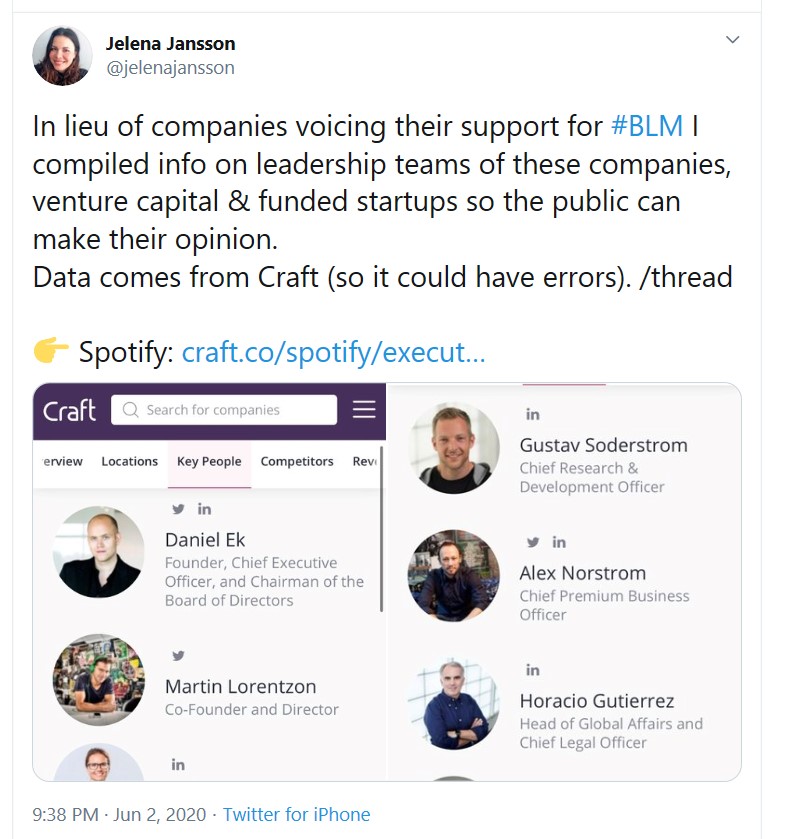
It has been heart-warming to see an overwhelming show of support to the #BlackLivesMatter movement, especially from the global community and corporate organizations. The genuineness of intent comes from within and the hope is that this becomes a watershed moment for us all and a gate-way to the kind of world we want to see. Going forward, the simple ask here is, now we have heard your commitment. What is the game plan? How do we measure success? How would we be held accountable? Who is to be held accountable? What are the timelines? Not sure anyone would ask for any company, government or community to topple their leadership hierarchy or organizational structure all in the name of inclusion and evening the playing ground. The not so simple but noble task ahead of us all is how do we promote and grow systemic inclusion and diversity, in which contexts have we not been inclusive enough and opted for the “convenient” option predominantly because of gender, colour, sexual orientation, religion and race? If you do have some time, please do take out time to check out the twitter thread by @jelenajansson. She did share some interesting details that highlight how much work needs to be done to truly walk the talk when it comes to inclusion for instance in the global corporate workspace context as a dimension.
Actionable and scalable change begins at the core. Am I mindful of the impact of my actions on the next person? Am I open and inclusive of ideas and perspectives of others? Inclusion is simply accepting of others as if they were you. Would you give yourself a second chance? Would you talk things out instead of forming assumptions? Would you consider the other side of the story which is not told? Would you think more of sustainable change and prosperity of all in that little corner that you control or hold authority over? This at the very least should be the bedrock on which the newly born are bred and brought up. This should be the message that permeates our primary, secondary and tertiary institutions. Every child should grow up with a systemic and inclusive mindset. Every new establishment, partnership, endeavor should set sail on this collective journey.
 BJA | TDM